It’s the same content, same artwork, same awful reviews, just in a more professional format. So please, feel free to check it out, let me know what you think, and maybe even bookmark it & follow me on all the socials via the newly installed links – that way, you won’t miss a thing!
Oh, and as added incentive, I have published 2 new reviews since the move yesterday:
Sinner – Brotherhood
Fellowship – The Saberlight Chronicles
I look forward to seeing you over on manofmuchmetal.net very soon!
I’m really not entirely sure how I should view this album, and how I should go about reviewing it.
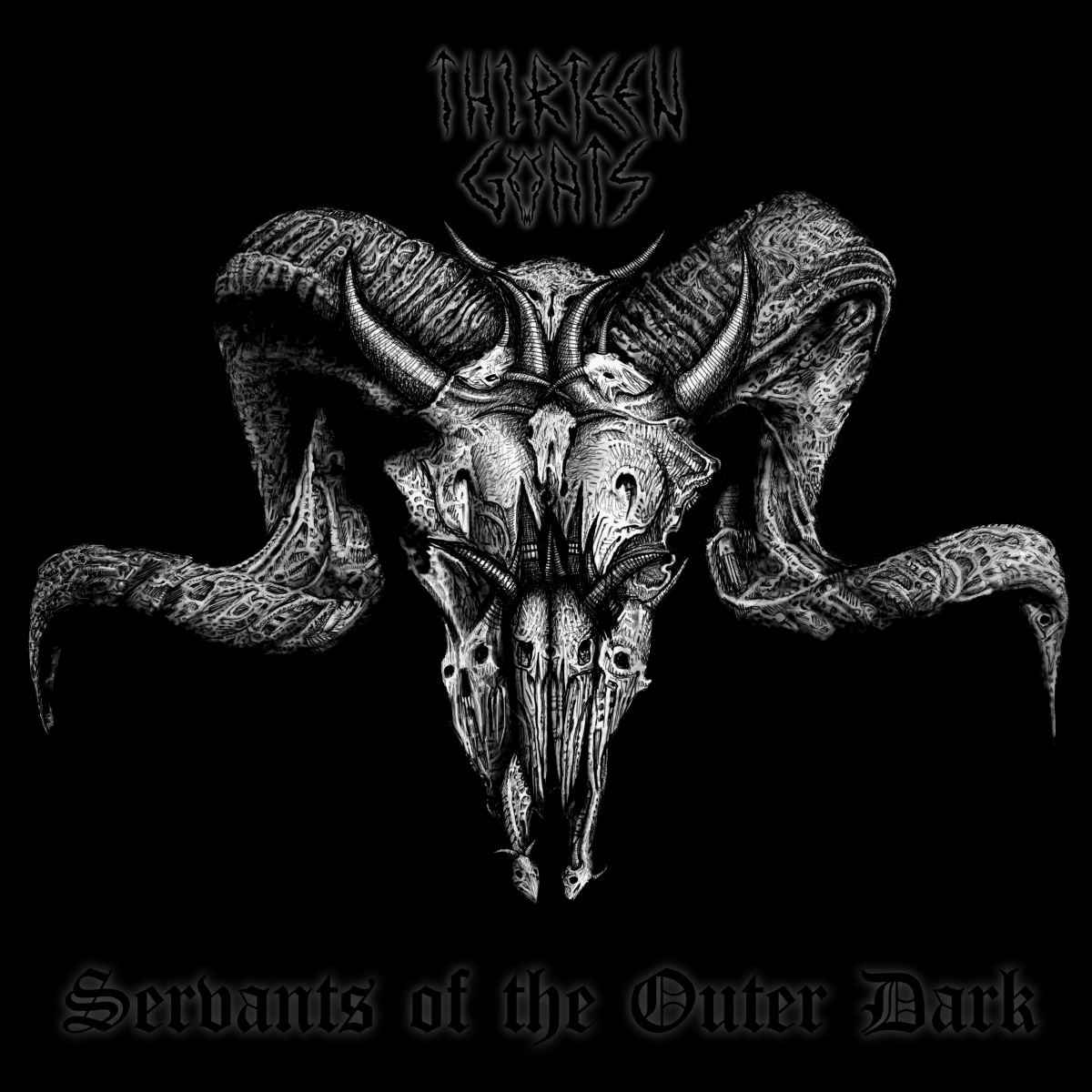
Thirteen Goats is a new name to me, and to the metal world at large, with little known about the band, other than they like heavy, extreme metal, they have a sense of humour, and ‘Servants Of The Outer Dark’ is their debut full-length offering. Comprised of three musicians, Graham K. Miles (vocals, lead and rhythm guitars), Rob Fitzgerald (lead and rhythm guitars, vocals), and Mike Redston (bass, vocals, acoustic guitar), this band is then rounded out in the live arena by drummer Leonid Verman, with the bass duties switching to Cody Lewichew. Together, this ensemble takes us into a world of death metal that is hard to definitively describe.
Apparently, according to the ‘fun facts’ presented within the accompanying press release Miles is a classically trained Shakespearian actor with a master’s degree in theatre from the New School for Drama in New York City. This goes some way to explain the more flamboyant elements to this album that show up throughout, although maybe some of it was an outlet for the frontman to turn his pain into something creative – Miles played all of his guitar solos with a broken finger and two sprained wrists following a motorbike accident midway through the recording process. This is some feat and perhaps helps to underline the apparent determination and hunger of Thirteen Goats to succeed where so many others have failed. Clearly, they are made of strong stuff up there in Canada.
The thing that threw me from the very beginning, and still does to some extent, is the way in which the opening title track differs so markedly from the remainder of the album. The band themselves admit that this is the most melodic song on the album, but that doesn’t really tell the full story because ‘Servants Of The Outer Dark’ is so much more catchy and immediate than the rest of the album. With a gentle acoustic guitar-led intro, clean vocals and a full-on melodic death metal hook-laden chorus, it becomes disconcerting to not hear anything of its like again within any of the subsequent eight songs. That isn’t to say that the remainder of the material isn’t good, it’s just that I feel I have to register the slight pang of disappointment I encountered when I realised that there was no similar output anywhere else on the album.
With time, I have been able to make peace with the initial feelings of disappointment, not least because there is some genuinely great material to be heard on the album if you take the time to listen and treat the songs on their own merits. For example, ‘Challenge The Executioner’ is a thunderous and aggressive beast of a death metal track, with an impressive array of technical-sounding riffs, vibrant bass work, and some truly bruising drumming. It’s a song that proves that these guys have the ability and the chops to succeed, whilst channelling bands like Lamb Of God into their output.
On the other hand, you have a song like ‘Return To Ruin’ that is part thrash-infused monster, and part groove fest. Again, it is heavy and aggressive with the speed to match when the pace is kicked up a notch, but equally, the slower sections are no shrinking violets either, with a steamroller-like, pounding groove. The juxtaposition works really well, too, making it a much more memorable and enjoyable affair than I first gave it credit for. The spoken-word part is a little hammed-up, but it further emphasises the thrash vibe, backed up by lyrics that touch on the political, talking about institutions that have failed this current generation. The political content is maintained elsewhere, such as within the more no-frills, dialled up to eleven attack of ‘Prisoner’s Anthem’.
And then you have songs with names like ‘Through the Meat Grinder…The Recipe’ which is about as serious as a clown on a unicycle. Mind you, the song itself is nothing to be laughed at, what with its slow doom-like intro that then explodes into full-on death metal territory before veering into all sorts of wild and wonderful places, the musical equivalent of a toddler searching high and low for the biscuit tin. And how about the opening to ‘Sub-being’ which begins with a twisted circus ringleader’s address to the audience – it’s a little incongruous, as is the ensuing ‘whoop, whoop’ declaration before a brutal slab of death metal kicks in to blow our heads off.
As I declared right at the start, this is a difficult album to review as it has a little bit of everything within it, without nailing any colours firmly to the mast. The death metal quota is highest and acts as the framework around which everything else congregates, but even after several weeks in the company of this album, I don’t instinctively think of it as a death metal album. And that’s because of the wide variety of influences at play and, dare I say it, a lack of genuine, true identity from the band. Instead, I’ll cop out slightly and refer to it as extreme metal where just about anything goes. Nevertheless, I’d urge you to take a listen to ‘Servants Of The Outer Dark’ because as debuts go, there is an awful lot to enjoy within it. I also have a strong sense when I listen, that there is plenty more to come from Thirteen Goats. I certainly hope so.
Welcome to the first post in a brand new series called ‘new sounds to wrap your ears around’
The idea of these posts is simple. Every week, I am inundated with requests and/or updates from bands that are either well-known, deep in the underground, or brand new. Often, these requests or updates seek to get me to feature a new song on my website. Up until now, I’ve had to say ‘thanks, but I only have time to feature albums and EPs’.
I hate saying ‘no’ to anyone in a musical context, so I have come up with something that I hope will please everyone: a regular round-up of some of the new sounds that are out there that you may have missed, or you simply weren’t even aware existed. More often than not, the music featured here will then translate into an album or EP review in due course, but it doesn’t have to. This is a new platform to shine the spotlight in any direction and on any subgenre. The only criteria is that I have to like it.
I’m happy to tweak the format dependng on suggestions or feedback, but let’s get started with this first instalment…
— MoMM —
Artist: Hyper Planet
Song Title: “To Live With Wisdom”
Album info: N/A
Label: N/A
Hyper Planet are a progressive metal band from Tehran, Iran. I was contacted recently and asked if I would feature their new song on my website. In fact, this was the catalyst for this whole new feature, as I wanted to give the song a bit of a plug. Incorporating traditional instrumentation and lyrics that talk of the struggles of being an Iranian metal band, it immediately interested me. Plus, as you’ll hear, the song itself is a great slab of prog metal that successfully blends melody and complexity together. Check it out:
— MoMM —
Artist: Virtual Symmetry
Song Title: “Come Alive”
Album info: “Virtual Symmetry” – 16 September 2022
Label: Sensory Records
Swiss progressive metal band Virtual Symmetry may be a more widely-known band, but they are featured here for two important reasons. Firstly, they are one of the support acts for Evergrey’s European tour which kicks off on the same day as this self-titled album, their fourth, is released. And secondly, I really like the song. But then, as it’s a realy nice mix of prog metal and Euro power metal, with bucket loads of melody, it’s hardly surprising that I like it, is it?!
— MoMM —
Artist: Demon Hunter
Song: “Silence The World” (feat. Tom Englund)
Album info: “Exile” –9 September 2022
Label: Weapons FMG
Were it not for a loyal reader tipping me off about this song, I might have missed it altogether. So I had to spread the word just in case it had slipped past anyone else’s radar too. Featuring the peerless Tom Englund as a guest vocalist, it immediately piqued my interest and the ensuing moody and atmospheric composition has really grown on me over repeated listens. Unbelievably, the upcoming album, ‘Exile’, is Demon Hunter’s eleventh full-length release. And until a few days ago, I’d never heard of them. I will do all I can to bring you a review in due course. In the mantime, enjoy ‘Silence The World’:
— MoMM —
Artist: Hexed
Song: “Repentance”
Album info: “Pagans Rising” – 30 September 2022
Label: ViciSolum Productions
This is a song that caught me by surprise, because I wasn’t expecting anything much when I checked it out recently. I’m not the biggest fan of symphonic metal at the best of times, but this is a little different because it rocks hard, it’s sufficiently heavy, and the melodies are strong. I also like the mix of clean female vocals and growls which normally are a little cliched, but given the attitude and grit within Tina Gunnarsson’s performance, it’s hard not to like the final product. This definitely has potential…
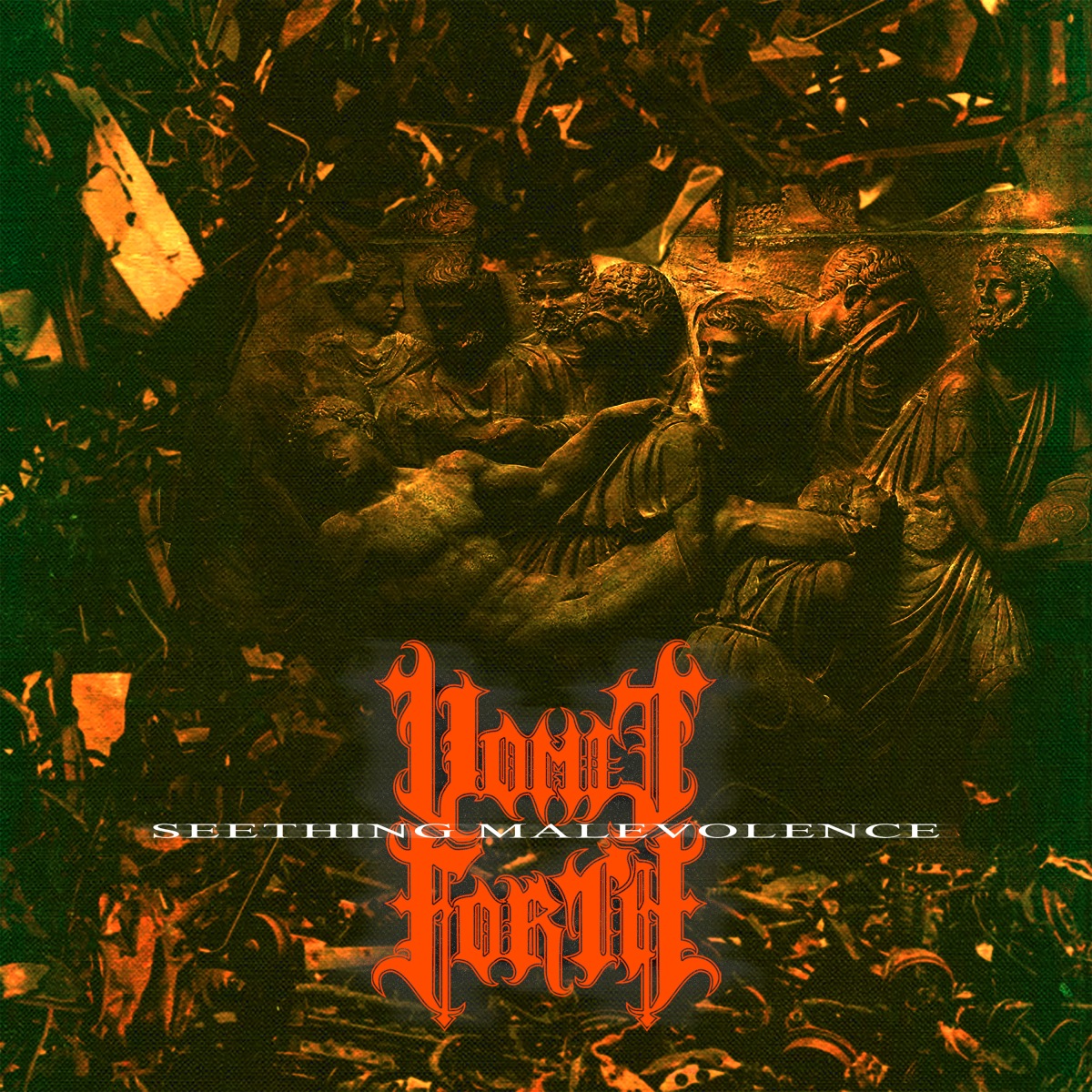
We’ve all been there – you wait for someone to pass you in the supermarket, and they blank you; you’re cut up by another driver on the road; someone acts in an antisocial manner on public transport. Well, instead of stooping to their level and acting inappropriately, I suggest you get hold of a copy of ‘Seething Malevolence’ because it is the utterly perfect soundtrack to help channel your rage in a much more constructive manner. Lay back on a sofa in a darkened room and with headphones or start a one-person mosh pit in your living room, whatever floats your boat. Either way, it’ll help with that pent up anger inside I can tell you. Your neighbours might not agree, especially with the latter option, but I think it’s a splendid idea quite honestly.
Hailing from Connecticut on the US East Coast, Vomit Forth is comprised of vocalist Kane Gelaznik, bassist Tyler Bidwell, drummer Nick Herrmann, and guitarist Ricky Bravall. They have built up a name for themselves in the death metal underground since their reasonably recent inception, releasing two EPs, ‘Inherent Laceration’ in 2018, followed by ‘Northeastern Deprivation’ the following year. Bookended by a couple of demos, their name and reputation caught the attention of Century Media Records and so we’re now presented with the quartet’s debut full-length album, ‘Seething Malevolence’.
The title of the record is well-placed too, because this album is about as disgustingly vile and malevolent as it is possible to be whilst still plundering the genre of death metal. Mind you, Vomit Forth are intent on demonstrating that they are more than just a brutal, uncompromising death metal band, as they lace their music with other influences and sounds in order to create something just a little bit different. To the casual observer, and me on a first listen, you could be mistaken for thinking that ‘Seething Malevolence’ is a 29-minute slab of thunderously heavy, bruising, and menacing riff-obsessed death metal, where there’s no space for frills, bells, or whistles, just cranium-busting aggression and groove. To an extent, that’s true and when you’re in the mood for it, there is definitely nothing wrong with that.
But, if you’re prepared to be constantly battered by repeated spins of ‘Seething Malevolence’, you begin to realise that there is more going on than you first thought. I’m not sufficiently well acquainted with the East Coast death metal scene to name drop bands at will, but the music here seems to fit the mould pretty well whilst adding a few nuances for good measure. For a start, I hear forays into grindcore ferocity at points, as well as deathcore slams and breakdowns, plus the band aren’t afraid to utilise electronic sounds on occasion too. And whilst I’m not normally a fan of the ‘core’ elements, it seems to work here, perhaps just because the music overall is just so filthy and violent.
To underline the band’s desire to try a few new things within their music, the opening track, ‘Untitled’ is an unnerving piece of brooding noise/ambience, composed by Vatican Shadow’s Prurient (Ian Dominick) after he reached out to Vomit Forth personally. It both fits well with what’s to come, and acts as a surprising beginning to the record. Either way, I have grown to quite like it, as brief as it is. And happily, there is a continuation of the opener which closes out the last couple of minutes of ‘Pious Killing Floor’ and indeed the entire album. In so doing, the album is bookended by the minimal sounds of what feels like a suspenseful horror film.
In between though, Vomit Forth deliver nine and a half blistering tracks of savagery that essentially bash my skull in with a meat cleaver, beginning with the ultra-sadistic and weighty slab of death entitled ‘Eucharist Intact’. The guitars sound like slabs of granite being thrown at your ears, whilst the drums and bass shake the foundations with a thunderous, yet dextrous attack. The guttural vocals meanwhile, gurgle and growl impressively, occasionally plummeting to depths that feel like they should be impossible to reach. The song manages to sound unbelievably extreme, but also groovy as hell, with some haunting sounds at the death to increase the sense of unease.
The groovy riffs continue from the outset of ‘Pain Tolerance’, as it lurches forward with all the subtlety of a hand grenade thrust down your trousers. The slams that I’d normally bemoan here actually enhance the track, whilst the sounds of agonised screams in the background towards the end only add to the evil nature of the music that I find myself listening to here.
Pinched harmonics and an increased pace signal the onslaught of ‘Tortured Sacrament’, although once again, we suddenly find ourselves in the midst of a stomping behemoth as the foot is applied effectively to the brake pedal to completely alter the dynamics of the song. The only thing that devalues the composition is the slightly lazy fadeout at the end.
‘Unrecognizable’ is a personal favourite as it is a little longer, nearly hitting the dizzy heights of four minutes. In that time, the quartet once again toy with the listener by mixing up the frenzied, speedy charge with sections of slower groove. We’re even treated to a gloriously dirty and vaguely melodic lead guitar solo which I thoroughly enjoy but then find myself bemoaning the lack of solos elsewhere. Double-edged sword.
The title track offers something a little different, as Kane Gelaznik experiments with higher-pitched, black metal-esque rasps, as well as a slightly cleaner tone where you can almost hear the words that he is spitting out with feverish intent. The song also offers a little more by way of overt melody, or at least a slightly more immediate hue, as ‘melody’ seems completely the wrong descriptor here.
Meanwhile, ‘Severely Wounded’ is a two-minute blast of sheer unadulterated power that sees the vocals veering into grindcore ‘pig squealing’ realms, whilst ‘Carniverous Incantation’ has a twisted, almost progressive feel to the off-kilter riffing unless I am gravely mistaken.
I still get the feeling that there is more to come from Vomit Forth in the years ahead, that perhaps the material on this debut album is merely scratching the surface. Only time will tell on that front. In the here and now, it is very difficult for me to reach anything other than a positive conclusion. It may last for less than half an hour, but there is so much packed into ‘Seething Malevolence’ that you never feel short-changed. And given how extreme the music undoubtedly is, any longer and the effect and intensity of the output may have suffered. As it is, I feel wounded and violated, but in a good way thanks to ‘Seething Malevolence’, the debut long-player from Vomit Forth.
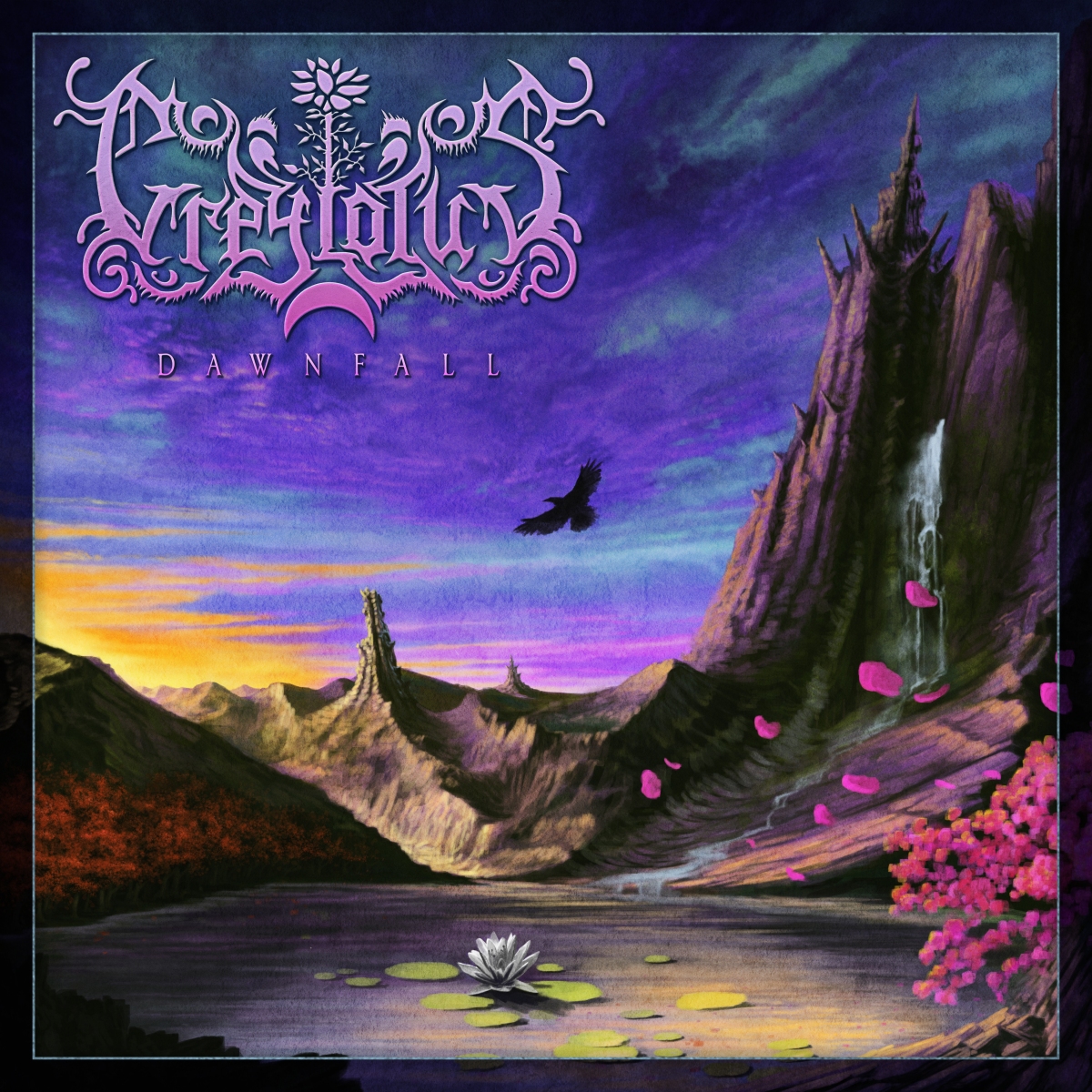
Hailing from Baltimore, Maryland, Greylotus are a relatively new and emerging name in the technical death metal arena. They released an EP in 2018 entitled ‘Savior’, and toured in the US with Abiotic, Cognitive, and God Of Nothing in 2019. Just last weekend, they came to the shores of Blighty to play on the UK Tech Fest bill alongside the likes of Scar Symmetry, The Ocean Collective, and God Is An Astronaut. And now, in 2022, they are on the cusp of releasing their debut album.
Entitled ‘Downfall’, this first full-length record feels like a massive smack in the face in a number of ways. Firstly, the nine tracks spread across nearly three-quarters of an hour contain some pretty hefty and aggressive sounds, with blast beats and rabid riffs in plentiful supply. Then there’s the complexity of the music too, which is impressive in itself, but when coupled with a myriad of different styles, influences, and genres, it becomes quite an intense and daunting prospect. The jewel in the crown though, is the way in which the quintet manages to pull everything together thanks to an inspired and liberal use of melody. I’ve listened to a lot of technical and extreme death metal these past few months, and not all of them succeed because the balance is not quite right as far as I’m concerned. Greylotus don’t suffer from this however, which means that I have become quite smitten with ‘Downfall’.
Admittedly, the album is not perfect; there are some rough edges that will, in time, likely be ironed out. On occasion, for my tastes, the music does veer a little too far into metalcore territory, and a few of the transitions from idea to idea come across as a little clunky or contrived. Plus, at times, the sheer breadth of experimentation on offer does call into question the exact identity of the band. However, that’s where the criticism ends because the rest is pure positivity as far as I’m concerned.
To quote the band directly, “‘Downfall’ explores the self-doubt that accompanies the realization that healing is a non-linear process. It wanders through the pits of self-judgment and confronts what follows when an individual accepts that the best version of themselves is not constrained by perfection.” No wonder then that the music is so varied, given the subject matter, which is a deep and interesting topic for sure.
Given the paucity of information about the band on the press release and across the Internet, you’ll have to forgive me if I am mistaken, but I understand the quintet to be comprised of guitarists Ben Towles and Sanjay Kumar, drummer Matt Tillett, bassist Drewsif Reynolds, and vocalist Lee Mintz. They waste no time in laying waste to our ears either as ‘Rectilinear Motion’ explodes from the speakers in a breathless, extreme attack of ferocious drumming, lightning fast almost neo-classical-style riffs and leads, and savage, possessed screams. The whole thing is laced with a grandiose feel though, thanks to layers of synths, and after a minute or two, an incredibly elegant melody that cuts through the extremity like a knife through butter. It is gone in a flash, but it leaves a lasting impression throughout the next section of the track which offers real cut and thrust thanks to more complex musicianship. A moment of quiet near ambience takes over, the signal for yet more melodic interplay, albeit this time accented by more of a progressive gown. And with that, after one more furious blast of extremity, it’s gone.
With head still reeling, I willingly dive straight into the rest of the album, to uncover what’s in store. The immediate answer is ‘Shadow Archetype’, an initially uncompromising slab of death metal that features deeper vocal growls overall, as well as a greater use of bold and more modern electronic sounds, culminating in a full-on electronic section for a few moments. I’m not sure the song required the ensuing breakdown, as I much prefer the breezier, more melodic closing flourish, capped off by some insanely good lead guitar playing.
The intro to ‘Currents’ is pure melodic death metal nectar, full of precision and elegant, almost epic melody. The remainder of the track isn’t bad either, featuring the first use of clean vocals in a layered, choral manner to only reinforce my ‘epic’ description. And yet, as the song develops, we’re suddenly taken into some twisted death metal-meets-grindcore aural nightmare that then segues into the fastest drumming I’ve heard in a while. Melody is never far away though, as this track borders ‘catchy’ territory which I lap up gleefully. The addition of the string orchestral sounds towards the end is the icing on an already delicious cake.
‘Chiaroscuro’ features spoken-word sections set to an ambient soundscape, the voice gentle and soothing with an English accent (bonus points there gentlemen!), whilst much of the remainder of the song feels like a barely contained, violent stream of consciousness, where the instruments go wherever they please, molten, fluid, and organic. The ending minute or two of ‘Capgras Delusion’ is stunning too, as the pace slows and quickens at will, but retains a wonderful sense of melodic intent. I could have done without the shouted spoken-word part that feels a little unnecessary and slightly ham-fisted, but that aside, the second half of the song is just about flawless.
I could go on with the same level of detail, but instead I’ll mention the sonic destruction created by the classic death metal muscle and pinched harmonics within the opening half of ‘Syzygy’ which I love (the second half suffers from delving too deeply into cliched metalcore realms) as well as the delicate beauty of the introduction to ‘Hoarfrost’. And what about the latter stages of the title track? After a blitz of uncompromising progressive death metal, we’re suddenly met with clean vocals that soar, alongside equally vibrant guitars, a dancing bass, and wondrous, uplifting melodies.
It seems almost fitting that the final track, ‘Azure Rain’ is arguably the most stunning song of them all. There are bursts of breakneck speed, heaviness, and complexity, but the song is built around exquisite melody, ambient textures, deep atmospherics, and in so doing, ends the album in near-perfect fashion. It features a smattering of just about every style of music heard in the preceding eight tracks, from metalcore to electronic, but it just works and gives me a few chills in the process. Yes, there are a couple of minor things I’d change, but that in itself is in keeping with the album as a whole.
And what an album ‘Downfall’ is. Warts and all, I have taken it to my heart, and I feel so grateful to have heard it. As I’ve said many times before, there’s no better feeling than being blindsided by a new band, and Greylotus is that band on this occasion. Every single established technical death metal band needs to watch out, because with more time and experience, Greylotus could become the new force to be reckoned with in the genre. Some will find the melodic sensibilities not to their taste or feel that it dilutes some of the intensity. But I’m not one of those, and as such, cannot recommend Greylotus’ debut, ‘Downfall’ more highly.
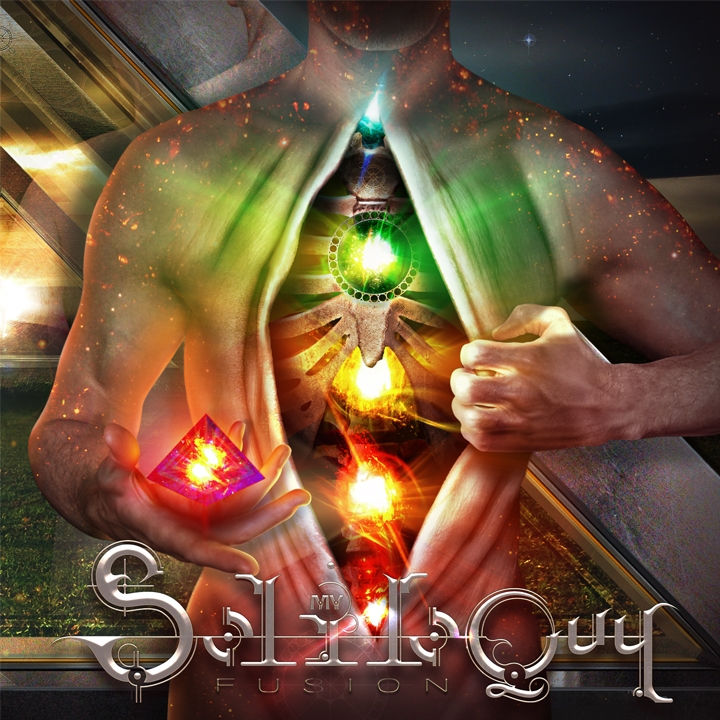
I have closely followed the career of Pete Morten ever since I discovered him whilst plying his trade with UK progressive metal band Threshold. Being involved in some of my favourite and most enduring records by one of the best bands within the genre will certainly help with the spotlight. However, in 2017, after a decade in which he played the guitar on both ‘March Of Progress’ (2012) and ‘For The Journey’ (2014), Pete decided that he wanted to focus solely on his own music, and own band, My Soliloquy.
Until now, Pete Morten has released two albums under the My Soliloquy moniker, ‘The Interpreter’ in 2013, followed by ‘Engines Of Gravity’ four years later. And now, in 2022, Pete and My Soliloquy bring us the third instalment, ‘Fu3ion’, this time under his own steam, through his label, Rare Artist Music.
In the spirit of transparency, I do have to declare at this point that I have a friendship with Pete. As I have written in the past, it makes for a difficult review process because I have to constantly question myself and ensure that I am remaining objective with my findings – I do not want to compromise on my integrity, so however much I like the person/people behind the music, I have to remain absolutely honest. If their music stinks, then that’s what I have to report. Fortunately, with a completely clear conscience, I can attest to the complete opposite reality here.
With a noticeable improvement from the debut to the second release, I lavished a score of 9.25 on ‘Engines Of Gravity’. I stand by that score even now. But I am going to have to go even higher here with ‘Fu3ion’ because I am thoroughly impressed with it; it is easily Morten’s best solo material that he has written and performed to date, and that is certainly saying something.
The very first thing that hit me right from the start with ‘Fu3ion’ is that it contains some of the most immediate material that Morten has ever penned. The melodies are big, and when I say ‘big’, I actually mean ‘huge’. There are hooks littered about this record like no-one’s business, something that pleases me greatly. However, if you are a fan of music that’s more progressive and less melodic, you might not end up with the same concluding thoughts as I. That’s not to say that ‘Fu3ion’ is a straight-up melodic metal album, because it isn’t. There is still plenty of prog complexity to be heard, as well as lots of variety. Some of the complexity is very subtle, some of it quite deceptive, but like some of my favourites in the genre, Kingcrow for example, just because it doesn’t sound complicated doesn’t mean that it isn’t.
As I understand it, this more immediate approach to the music on this album was completely deliberate from Pete Morten. And if that was his end game, then he has well and truly succeeded with ‘Fu3ion’. The multi-instrumentalist who handled all guitars, bass, keys, and vocals, not to mention the artwork and production alongside Rob Aubrey (Transatlantic, IQ, Big Big Train, Spock’s Beard) is joined on this venture by his ex-colleague, Threshold’s Johanne James on the drums. It makes for a winning partnership here and reinforces the occasional hint of Threshold within the music on this album. For the avoidance of doubt, this is not a bad thing at all.
‘Fu3ion’ opens with ‘Triunion’, an introductory piece that is ushered in by bold synth sounds and a slow-paced but resolute drumbeat from James. The sounds intensify with a dramatic, cinematic feel, overlaid by the unmistakeable voice of Pete Morten meting out the minimal lyrics in mantra-like style. In terms of building the tension, it’s an excellent way to begin the record.
For me, as interesting as the first track is, it’s in the follow-up, ‘Kingship’ when the magic hits. And it hits me incredibly hard, with the gloriously melodic and powerful chorus hitting a sweet spot with me and resonating so strongly that I get chills and goosebumps almost every time it kicks in. And a lot of this has to do with the soaring, emotional vocals of Morten that sound brilliant here. But the remainder of the song isn’t bad either to put it bluntly. The bass playing is a particularly ear-catching aspect of the song for a start, standing out within a high-tempo energetic intro that also features melodic keys and chunky guitars to create something of a power metal/prog fusion.
You have to back up a great opening song with further high quality though, and that’s exactly what happens here, with track after track delivering something beguiling and thoroughly engaging to listen to. The intro to ‘Mind Storms’ is the kind of output that gets my blood pumping, as it is an epic, melodic affair, with thunderous drumming from James and muscular guitar tones to underline the properly metallic credentials of My Soliloquy. The ensuing verse takes things down a notch but in so doing creates great dynamics, as it’s an atmospheric-led section that deliberately builds to unleash a reprise of the intro as the captivating chorus, so majestic in its sprawling glory. With Pete Morten at the helm, expect some technically adept but engaging lead solos too, with this being one of the most striking to my ears.
I can’t possibly continue to describe each of the ten tracks (twelve if you include the bonus songs that feature as part of the limited-edition version) because if I did, it’d take longer to read than it would to listen to the entire record. As such, allow me to give you more of a flavour of what you can expect as you delve further into ‘Fu3ion’, starting with the shorter, punchier, and slightly heavier ‘The Great Polarity’ which is no less catchy, thanks to a stomping pace and incisive chorus, laced with some great lead guitar flamboyance.
‘Here In The House Of I’ by contrast, is immediately one of the most progressive sounding songs on the album, dominated in the early stages by some arresting synth embellishments and a really nice insistent riff. But once again, I’m floored by the chorus, another thing of impressive beauty, that materialises almost unexpectedly out of nowhere, from within a much more robust, slightly darker and heavy framework, full of drama and intrigue.
It can’t get better, though, can it? Well that depends on your point of view, but ‘Office Of Imaginings’, a near nine-minute monster certainly tries its best. After a more atmospheric and foreboding intro, I’m covered from head to toe in goosebumps once again as Morten hits us with yet another wondrous chorus where vocals and lead guitar lines combine in scintillating fashion not for the first time. I love the way that the song takes its time to get right under the skin, the dense atmospheres and palpable emotion gradually seeping into the listener almost insidiously until the point that you realise just how invested you are with the song as a whole. If that wasn’t enough, Johanne James also adds a little of his rapping talents, but don’t worry, Fred Durst this is not, thankfully, far from it.
‘Interlocuter’ is a lovely change of pace; a shorter track that’s predominantly acoustic guitars, and vocals, with some orchestral style synths and sparce drumming for added depth. That is, until the halfway mark, when a full-on symphonic metal ballad is unleashed in handsome fashion. And then there’s ‘Bury Your Dead’ which, as the title may suggest, is arguably the heaviest song on the album, full of beefy, no-nonsense riffs at its heart, but with some incredibly bold synths in places too, as well as some cracking twists and turns in true prog fashion.
According to the artist himself, the album has been inspired by a best-selling trilogy of books. I have my theories, but I shall keep them to myself so that when you listen, because listen you will, you can form your own theories. But whether I am right or wrong, it doesn’t matter one iota because the music alone is enough to satisfy all my progressive and melodic cravings. ‘Fu3ion’ is an absolute must-have for all like-minded prog fans because it sees the talented, humble, and genuinely lovely Pete Morten at the very top of his game in all respects. I know that the music world is often fickle and unfair, but for once I hope that fairness prevails because if it does, it will mean that Pete Morten and My Soliloquy will achieve the recognition that they so fully deserve. ‘Fu3ion’ is utterly brilliant, simple as.
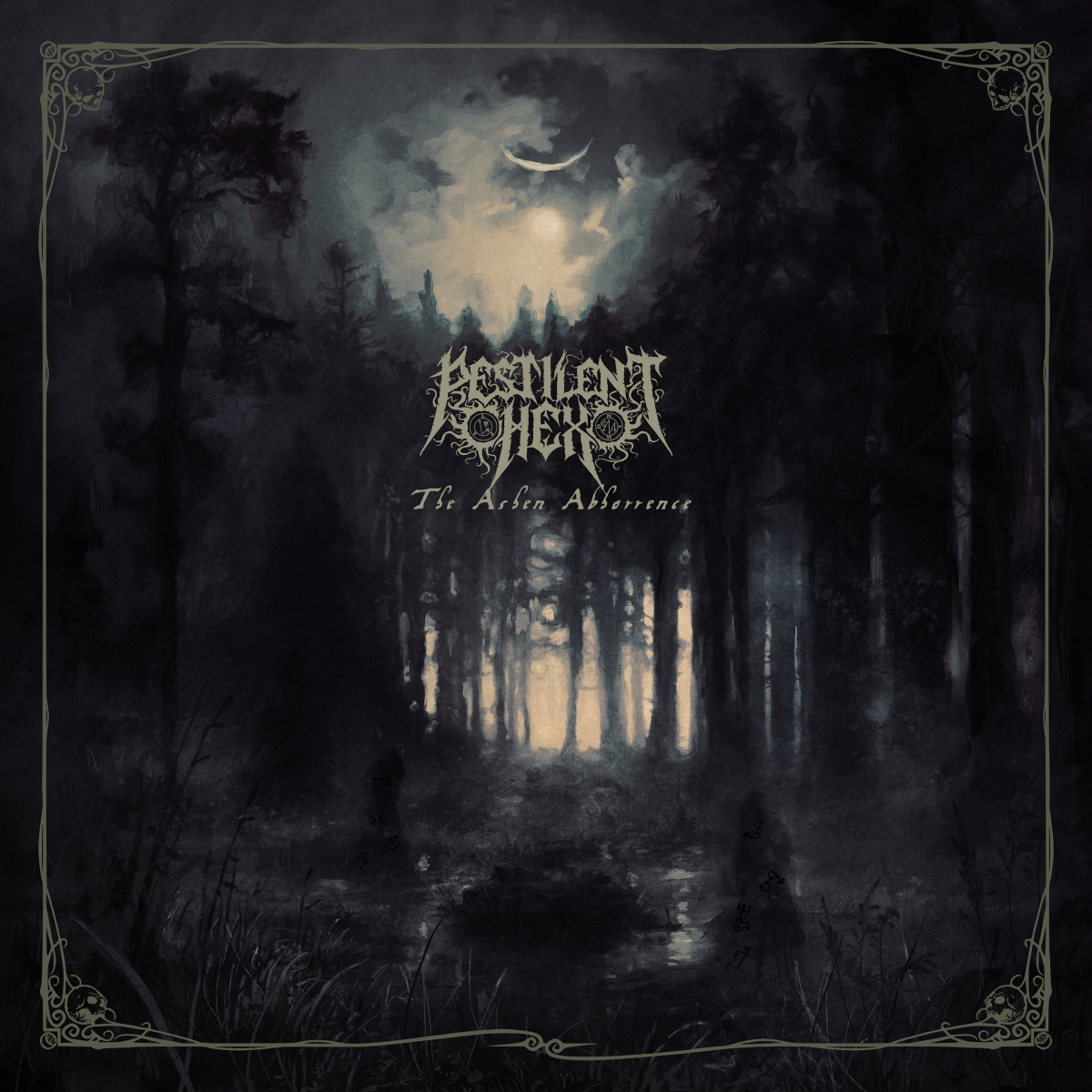
Melodic black metal and I have always been keen bedfellows, so the opportunity to check out a debut album from a new player in the scene was too tempting an offer to pass up. In fact, I’ve been keeping an eye open for this album from Pestilent Hex since it was announced a while back and became more interested upon hearing the first single and opening track, ‘The Ashen Abhorrence’ a month or so ago.
The band Pestilent Hex hail from Finland, an entity comprised of just two musicians. Better known for their work in other genres, namely death and doom metal, the duo features L. Oathe (Lauri ‘LL’ Laaksonen of Desolate Shrine fame), who handles all of the instrumentation alongside vocalist and lyricist M. Malignant (Matti ‘MM’ Mäkelä of Corpsessed, Tyranny, ex-Wormphlegm and many others besides). This isn’t a rarity within black metal circles, but it never ceases to impress me how just two people can create such proficient and quality music. ‘The Ashen Abhorrence’ is no different in this regard either, as it’s a hugely solid album, particularly given that it is a debut release from Pestilent Hex.
The modus operandi of this Finnish duo becomes clear almost immediately that the album begins. ‘The Ashen Abhorrence’ is very much cut from the cloth of symphonic, melodic black metal in the style that was seemingly everywhere in the mid-late 90s. It’s the style that, for the most part, got me into the genre and gave me much enjoyment and aural gratification. The blend of aggressive and evil-sounding music with a softer underbelly of well-placed melody was like catnip to me, and I plundered as much of the scene as I possibly could in my late teens and early 20s. To hear that this style of music is undergoing something of a revival is wonderful as far as I’m concerned.
As with everything, though, there are numerous ways that something can be viewed. My delight could just as easily see others rolling their eyes and shrugging their shoulders, unhappy that a style of music is making a comeback rather than new bands pushing the envelope just that little bit further and offering an original sound. Depending on which side of the fence you sit, this review will either leave you cold or it might point you in the direction of the next album on your wish list. I sit firmly on the latter, as if you didn’t already know that.
Comprised of six tracks, ‘The Ashen Abhorrence’ takes the listener on a 42-minute ride that reminds me of why I fell for the charms of bands like Obtained Enslavement, early Emperor, Dimmu Borgir, Abigor and many, many others. It demonstrates a really excellent and well thought out blend of extreme metal alongside plenty of rich, dark atmosphere, melody, and a sense of grandiosity.
The title track wastes no time in hitting the ground running, featuring blast beats and a malevolent-sounding fast-picked riffs. It is all laced in an opulent gown of orchestration, where tinkling keys and bold organs emerge alongside layers of synths to add a touch of Gothic splendour to the composition. The vocals are full-on nasty, with plenty of high-pitched shrieks, accented by some deep and gruesome growls. But the changes of pace, from all-out speed to more a more measured mid-tempo, alongside occasional deviations into quieter moments creates a variety to the composition that is then further enhanced by the delicate melodic sensibilities of the song.
It’s a great opening but, if anything, ‘Chapter II: ‘Nature Of The Spirit’ is even better. Again, it opens with real intent, driving forward with blast beats and long, tortured growls of anger. If anyone was under the impression that the music of Pestilent Hex wasn’t particularly extreme because of their melodic tendencies, should think again. But with that said, this second track is easily the most immediate and melodic of the entire lot – either that or the chosen melodies just resonate with me most strongly. I love the way that the song shifts effortlessly from all-out attack to epic grandeur in the blink of an eye, offering fantastic entertainment in either guise. There’s even space within the composition for some spoken-word lyrics, followed by the kind of piano tinkling that so beguiled me on Dimmu Borgir’s ‘Enthrone, Darkness, Triumphant’ record all those years ago.
The impossibly difficult to pronounce ‘Chapter III: ‘Mephistophelean Liaison’ comes next, and it features plenty of those classic frostbitten staccato riffs that I latch on to with eagerness. The song also feels like it is both the most grandiose and the heaviest at the same time, which is some feat in itself. The mid-song breather that sees clean guitars lay out a delicate solo melody is quickly seized upon, only to build into something far heavier and really rather striking, especially when the lead guitar lines sneak up on you in the latter stages.
If you were wondering about the presence of the ubiquitous instrumental workout, then wonder no longer as ‘Chapter IV: Interlude – ‘Mists Of Oneiros’ offers a two-minute respite from the black metal attack. If there was a weaker moment to be heard on ‘The Ashen Abhorrence’, this is it. It is incredibly dark and theatrical, but it doesn’t do an awful lot for me if I’m totally honest.
Never fear though, because we are back on track quickly with the delightfully named ‘Chapter V: ‘Old Hag’, which thrusts us straight back into the multi-layered melodic, symphonic black metal amphitheatre, albeit in a slightly more upbeat and playful manner, as the melodies seem to dance around with a little more whimsy unless I am very much mistaken.
The final track is ‘Chapter VI: ‘Banishment’, the longest of the record at nearly nine minutes in length. It uses this time to lay down an impressively varied and nuanced track, that’s part twisted malevolence, part thunderous aggression, and part majestic opus. And the final stages are glorious affair, where the pace is slowed, the melody is cranked up a notch, and we’re treated to a truly majestic final act, the kind of crescendo that’s befitting of such a great album.
Death metal stalwarts they may be but here, the two talented Finns of L. Oathe and M. Malignant have come together to create a masterful collection of melodic and symphonic black metal that recalls the mid-late 90s perfectly and provides me with a high level of consistent entertainment throughout. It may not be the most original or ground-breaking record you’ll ever hear, but I simply don’t care. When the final product is this impressive and enjoyable, originality be damned I say.
I want to start this review by being completely transparent and honest. I have never been a particularly big fan of Porcupine Tree. I have a few of their albums in my collection, but I cannot remember the last time that I actually chose to play any of them. I bought them because, as a fan of progressive rock, I felt that I had to have them in my collection. A couple of them are limited edition boxsets that have never even been opened. I even went to one of their shows once, at Norwich UEA, but I had to check my concert tickets to confirm that I wasn’t dreaming it.
My apathy isn’t for the want of trying though; in the past I have listened long and hard to the likes of ‘Fear Of A Blank Planet’, ‘Deadwing’, and ‘The Incident’ in the hope or expectation that I’d finally experience that moment of clarity, that magical feeling when the mists clear and you finally click with the music. But it never came with Porcupine Tree, unfortunately. The same could be said for most of Steven Wilson’s solo material, but that’s not as relevant to this review.
Part of the problem, I believe, is that the chosen melodies, and their chosen areas of experimentation just didn’t resonate as strongly as I wanted them to. Regardless of whether Porcupine delivered heavier, softer, more, or less progressive music, I drew much the same conclusion, that I was left unmoved and cold by large swathes of the material. It was maddening to begin with. I couldn’t accept that here I was, a fan of so much progressive music, and yet one of the most highly lauded bands in the prog rock world left me numb and largely disinterested. It is even more bizarre given how many bands they have inspired, most notably for me, Katatonia in the last fifteen years or so. Now though, I just accept that this might be a band with which I will never have that affinity in the same way as I’m not a big fan of other much-loved bands like Opeth and Tool. Well, I’ve almost made peace with this.
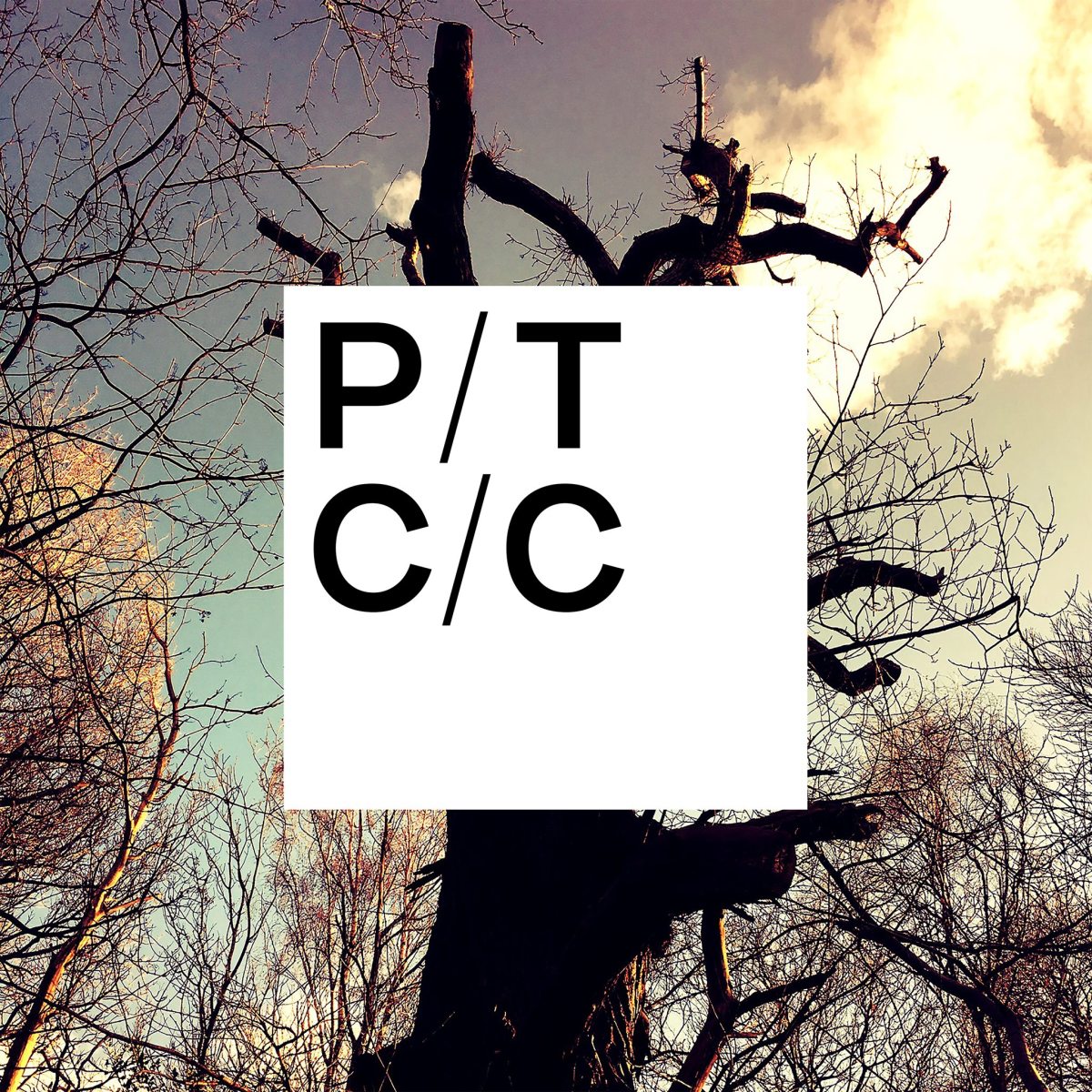
And that’s why, after much deliberation, I have decided to review ‘Closure / Continuation’, the long-awaited, brand-new album from Porcupine Tree, their first for some thirteen years. I wanted to give it one last go. Either I’ll finally love an album by the band, or I can rest easy, knowing that I have given them every chance of having an impact on my life. I fully realise that my opinion will have absolutely zero sway on most of you. You’ve either already bought ‘Closure/Continuation’, or you’re not going to go anywhere near it. I get that, but I’m writing this review anyway, for me. Read on, or dismiss the review, the choice is yours.
Once again, the situation is a complex one. I have listened many, many times to ‘Closure / Continuation’ ahead of this review and my opinion hasn’t drastically changed in that time. Undeniably, there is some great material to be heard, but there are also some parts of the album that I am definitely less keen on. And yet, there is something pulling me back to it, forcing me to listen again and again, even those tracks about which I am less positive about. Am I trying too hard, am I doing it out of a sense of obligation, or is there something genuinely interesting going on that is creating this apparent magnetism?
To be consistent with other reviews, and my personal views, I have to say that ‘Closure / Continuation’ is too long. When you factor in the bonus tracks, it runs for over 65 minutes, with four of the ten tracks clocking in at between seven and nearly ten minutes. I’m all for longer compositions if they offer value for their whole duration, but I can point to a few times on this album where this is not the case for me.
The first example is with ‘Harridan’, the eight-minute opening track. I like the funky intro and the clever musicianship in the early stages from Wilson, Richard Barbieri (keys) and Gavin Harrison (drums) that immediately signals that the band are on top form. I also like the surprisingly meaty guitar tones that deliver some heavier than expected riffage. I have even grown to like the chorus, which is a catchy affair once it digs its claws into you. But I suffer the same problem with the song every time I listen, be it on headphones whilst out on my bike, late at night whilst the kids are asleep, or when cranked up as company whilst I work in my home office. And this problem is that I always seem to lose focus in the middle section, only jolted back to the present with the return on the chorus near the end. I don’t think that the music is at all bad, but it just doesn’t hold my attention enough.
‘Of The New Day’, on the other hand, is a much warmer and more inviting song all round. It sounds a little too close to the jangly world of Indie insofar as the guitar tones and riffs are concerned. But notwithstanding, and despite more overt experimentation and frequent shifts within the song, it has a much more melodic, and rich feel to it.
The same cannot be said of ‘Rats Return’, which is an all-out dystopian progressive rock song, bordering on avant-garde at times. It isn’t meant to be an immediate song by any means, but the weird electronics that feature heavily throughout give the song a dark and menacing undertone, not diminished by the sense of unease caused by moments of near dissonance and unexpected detours that the song takes. Oddly though, perhaps because it is one of the most striking compositions on the album, I find myself rather liking it. Morbid fascination it might be, but there’s something about it that I enjoy.
I wrestle internally with ‘Dignity’ every time it begins. On the one hand, it is one of the more melodic and catchy songs that seems to channel its inner Pink Floyd with some bright and breezy acoustic guitars alongside a gentle drumbeat. I also rather like the story that is told through the lyrics, of someone who doesn’t seem to fit in. Familiar, much? But something about it prevents me from diving headlong into it and loving it. Again, I think the song is too long, with an unnecessary foray into minimalist territory just after the halfway point, even if the subtle and precise lead guitar work is striking. Plus, I realise that I’m not a huge fan of the vocals themselves. Wilson can certainly sing and does a great job, but I’m just not that fussed by his delivery. Why do I get the feeling that pitchforks are being sharpened?
There are some cool parts to be heard within ‘Herd Calling’, especially when it explodes with unexpected heaviness after a quiet introductory passage. But I’m not certain that the song warrants the seven-minute run-time quite honestly. Meanwhile the odd minimalist electronic ‘Walk The Plank’ is easily my least favourite song on ‘Closure / Continuation’. I just feel totally unmoved by it in its entirety.
In fact, my interest generally wanes at this point, through ‘Chimera’s Wreck’ and ‘Population Three’, both of which are perfectly decent tracks but which both lack any kind of killer blow in my opinion. ‘I’m afraid to be happy, I couldn’t care less if I was to die’ is the stark line that catches my attention within the former, but the music itself largely fails to reciprocate in the same way.
It isn’t until the arrival of ‘Never Have’ that I am faced with another composition that actually fires a little enthusiasm within me. The piano intro is truly beautiful, as is the ensuing melody that becomes the song’s central chorus. Additionally, there’s a vibrancy and energy to the track that is sorely lacking in many of the preceding few compositions. If only more of the other songs had foregone a little of their experimentation in favour of a truly memorable hook or melody, then I could easily foresee my review being far more positive overall. But unfortunately, that’s not the case. And whilst I’ve read lots of positivity for the album closer, ‘Love In The Past Tense’, it isn’t a showstopper for me. I stress that the song is not bad; to suggest that of any of the music on this album would be foolish in the extreme quite frankly. It’s just that, for my personal tastes, the healthy majority of music within ‘Closer / Continuation’ simply doesn’t do it for me. I’m genuinely disappointed too, because I desperately wanted to like this new album more than I do. Maybe therefore, it is time to cut my losses, accept that Porcupine Tree and I are not meant to form a beautiful friendship, and leave it there. Damnit.
I can’t quite believe that it has been over four years since I first wrapped my ears around ‘Mire’, the debut album from UK-based metal band Conjurer. Despite being described as a sludge/post-metal outfit with strong doom leanings, I had to give them a go at the time because of the hyperbole and excitement about them in the metal community. And you know what? I loved the album, lavishing a 9.5/10 score. Admittedly, I may have been a touch too overzealous with my marking, because hindsight would suggest that I have not listened to ‘Mire’ quite as much as I thought I would after its release. Nevertheless, the debut was undoubtedly hugely impressive and so I have been looking forward to investigating the long-awaited follow-up, ‘Páthos’.
Four years on and whilst there have, inevitably, been one or two changes to life in general, Conjurer have withstood it all and remain fully intact. This means that both guitarists and vocalists Brady Deeprose and Dan Nightingale remain in place alongside bassist Conor Marshall and drummer Jan Krause. As we heard with ‘Mire’, this quartet can create a fearsome noise when they want to, and it was my fervent hope that this would continue with ‘Páthos’. It definitely works in their favour that they are unchanged, because there was a definite magic to this quartet’s debut; it felt like they were a well-honed unit, able to work as a team to create some truly powerful music. You’ll not be overly surprised to learn then, that the same sentiment can be levelled at the sophomore outing.
However, the magic manifests itself in a slightly different manner this time around, as ‘Páthos’ is very much an album that seeks to expand the sound of the quartet in a number of ways. As with the debut, listeners are not denied the sheer Earth-shaking force of Conjurers huge riffs and walls of sound. However, it is clear that the band wanted to explore other avenues as well, to take their music in a number of different directions in the process. As a result, you’ll hear some supremely heavy and intimidating music that contains Conjurer’s usual blend of sludge, doom, death, and post-metal. But these sections are more overtly interspersed and laced with various influences, quieter moments of contemplation, a greater sense of the progressive, and also (unless I’m terribly mistaken) a dash more melody too. Whereas the debut was akin to being attacked by a blunt tool to the head, ‘Páthos’ is more of an attack by a Swiss Army Knife, or at least a nifty multitool. For the avoidance of doubt, it’ll still hurt, but the attack will have slightly more finesse about it.
The first witness to all this isn’t slow in coming forward, being the first of the album’s eight songs, ‘It Dwells’. Opening with vibrant acoustic guitar strumming and gentle but dark electronic samples we’re lulled into a false sense of security that’s soon obliterated by a savage attack; bulldozing drums, monolithic bass, and heavy guitars combine with some bestial growls and caustic shrieks to send the listener reeling. It isn’t long though until we’re dealt some groove and a deeply shrouded, almost hidden melody that becomes more pronounced as the song unfolds. The music becomes positively beautiful when the aggression is replaced for a short while with a gorgeous, almost whimsical section, full of acoustic guitar picking, and chilled percussion. Later in the piece Conjurer experiment with more lurching rhythmic riffs, and a much more doom-infused approach borne out by the lumbering pace but overlaid by a surprisingly poignant lead guitar line. The sheer complexity of the song, coupled with the masterful ebb and flow has me salivating over what’s to come next.
The answer is ‘Rot’, a dense, suffocating affair that seeks to terrify the listener with its dark, cloying atmospheres and uncomfortable yet compelling dissonance. This is not a song for lovers of easy-listening music but there is something about it that makes it impossible to pull away. Instead, I get drawn into the calculated horror that’s created and which comes seeping out of the speakers with a twisted malevolence. I’m not normally a fan of music like this, but so brilliantly executed is it, that I am pulled in willingly.
Quite possibly my favourite of all of the compositions comes next in the form of ‘All You Will Remember’. For the first time on ‘Páthos’, we hear some clean vocals, and they are devastatingly delivered, sending shivers down my spine every time they emerge. The song has a greater quota of melody within it too, which works well with the clean vocals and, at the death, the spoken-word female voice of guest musician Alice Zawadzki. In fact, the combination of the sorrowful melodies, heartfelt vocals and the melancholy subject matter all ensure that this is quite possibly the most poignant and moving composition that Conjurer have ever written. Of course, there are some impossibly heavy moments within the song, but the heaviest thing of all here, is the emotion that runs through the music like a rich vein of intoxicating misery.
The drumming that features within ‘Basilisk’ is literally thunderous, the monstrous double-pedal assault creating a clever juxtaposition with the gentleness of the song’s opening minute or so. But, again, the melodic sensibilities are clear for all to hear, and they just serve to raise the song even higher in my estimations; it would have been so easy to just bludgeon the listener with a relentless blast of power and barely contained noise, but the musicians here are far too talented and intelligent to allow that to happen.
Staking a strong claim for my favourite song alongside ‘All You Will Remember’ is the scintillating ‘Those Years, Condemned’ a supremely weighty and bruising composition that hits the sweet spot between punishing doom-laden heaviness and melody, cleverly abutted to ‘Suffer Alone’, a sub three minute blitz of fast-paced intensity with an almost punk attitude buried within it.
‘Páthos’ is rounded out by arguably the doomiest of them all, ‘In Your Wake’, and then the atmospheric splendour of ‘Cracks In The Pyre’, which carries all of the grandeur that a closer to an album of this magnitude demands and more besides. I could say an awful lot more about each, but for the sake of brevity and in an effort to give you something to discover for yourselves, I’ll leave the descriptions there. Suffice to say that if my descriptions of the previous six have piqued your interest, you’ll find plenty to enjoy in the final portion of the album, too.
With the debut, ‘Mire’, I was completely blindsided as I knew not what to expect. The situation is different this time around, but I find myself no less impressed, or in awe. And that’s a tribute to the skill, vision, and bravery of the four musicians here in Conjurer; even though I knew roughly what to expect, I didn’t expect it to be this good. And I love the fact that the band have kept their core sound intact whilst willingly experimenting and pushing the boundaries that little bit further. The added melody, the increased variety, and the extra experimentation all conspire to create an album that will rightly receive huge plaudits from across the metal spectrum. Don’t dither, don’t dally, just part with your cash now and immerse yourself in a true extreme metal highlight of 2022.
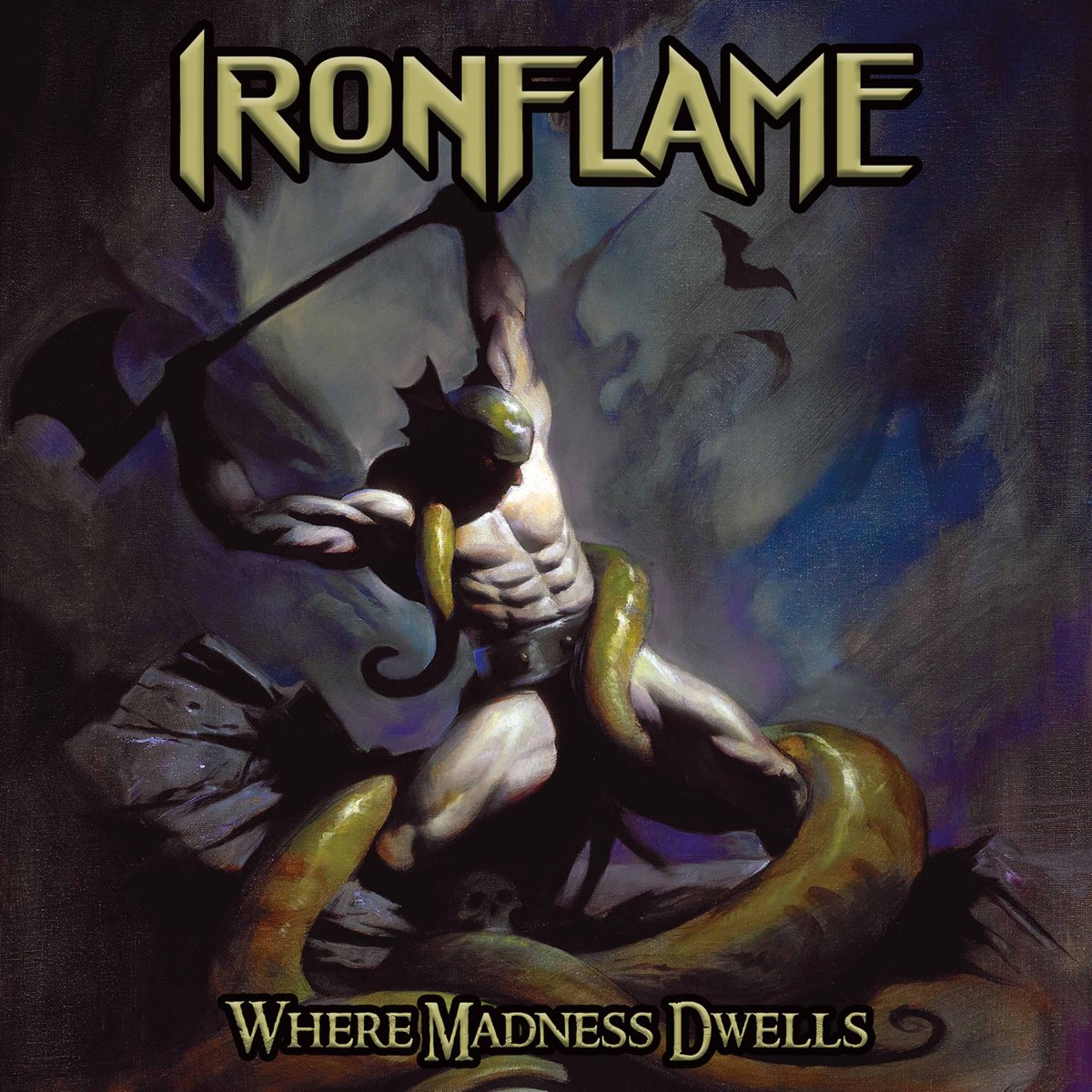
If I’m honest, when I saw this release nestled within my promo pile, I didn’t have high expectations for it. I’d never heard of Ironflame before, and the questionable and dated cover artwork did nothing to whet my appetite when I first laid eyes on it. I’ve leaned to trust my instincts though, and as we are at a point in the year when there are slightly fewer albums released, I had the time to try out those instincts once again.
The album in question is ‘Where Madness Dwells’, the fourth album from Ohio-based Ironflame, and it has taken me more than a little by surprise – in a good way. The brainchild of multi-instrumentalist Andrew D’Cagna, Ironflame was conceived back in 2016 as a one-off to honour a friend that passed away. But when you do things well, people always want more. And so here we are some six years later, with album number four, a remarkable feat in a number of ways. Not only is D’Cagna still active in other bands such as Icarus Witch and Brimstone Coven, he has essentially, once again, created the music on this latest Ironflame album himself. He is joined by guitarists Quinn Lukas and Jesse Scott, bassist James Babcock, and drummer Noah Skiba, but these guys are his live band. In the studio though, only the solos were outsourced to Lukas and Scott; the rest is all D’Cagna.
Having heard nothing of the past three albums, I cannot offer a comparison for those more familiar with Ironflame. However, what I can say is that ‘Where Madness Dwells’ is a cracking album. Deeply rooted in the ‘classic’ metal genre with plenty of NWOBHM-isms, this music will appeal to anyone who likes their metal on the more traditional end of the spectrum. Naturally therefore, the likes of Iron Maiden and Judas Priest spring to mind, the latter far more forcefully though, with songs like the title track bordering on an homage to East London’s finest, after an intro that’s early Metallica through and through, in a good way.
It’s also interesting to note that D’Cagna references the likes of Savatage, Helloween, and even 90s Swedish death metal as influences. Whilst the latter references aren’t overly obvious, once you know this, you can definitely hear some vague hints within the songs, particularly the guitar playing. Overall, it means that there’s as much of a European flavour as a US one.
But above and beyond all else, ‘Where Madness Dwells’ delivers forth a collection of ten highly enjoyable, catchy, and quality heavy metal songs which you’d have to be deaf or devoid of music taste not to quickly latch on to and take great pleasure from listening.
“Famine, pestilence, war, disease, and death. They rule this world.”
This quote from the 1964 film, ‘The Masque Of The Red Death’ opens the album, as the intro to ‘Everlasting Fire’, but within seconds my mind is consumed by the riff that ensues, which is an energetic, up-tempo, and catchy affair. The vocals of D’Cagna do sound similar to those of Bruce Dickinson, whilst the central riff echoes Maiden. But when it all comes together this powerfully and with such a brazen swagger, who am I to criticise? Especially when Maiden seem to be concentrating on countless epics rather than their shorter, punchier material these days. ‘Everlasting Fire’, with its hooks, immediate chorus, and rip-roaring solos is a tonic for my ears.
But are we in the presence of a one-song wonder though? Don’t you believe it, not even for one second. No sooner has the opener disappeared, it is replaced by ‘Under The Spell’, which increases tempo even more and brings with it some slight thrashy overtones, especially in the brisk riffs and rhythm section where the drums in particular are pretty relentless. However, again, the song is memorable thanks to some great hooks, especially in the central harmony licks and riffs that emerge after the halfway point. I have to remind myself frequently that this is, aside from the lead guitar solos, the work of just one man, albeit an incredibly talented man.
I’m going to be absolutely fair here and say that, in a couple of places, the songs don’t grab me as strongly as others, but that’s not a comment on the quality of the material. Moreso, it’s a question of personal taste I would say. But the positives far outweigh the negatives as far as I’m concerned, with several songs delivering some wonderfully powerful heavy metal.
One of these high points arrives in the form of the slower, more brooding, ‘A Funeral Within’. The pace lends an old school doom atmospheric to the song, a little Sorcerer-esque, aided by some of the most prominent bass to be heard on the album. But it remains an endearing and catchy composition with ballad-like overtones to it also, as well as the ubiquitous lead breaks.
I really enjoy the thunderous intensity of the up-tempo ‘The Phantom Flame’ with its infectious lead guitar lines and punishing drumming. The melodies within ‘A Curse Upon Mankind’ get quickly and firmly lodged in my brain too.
But quite possibly my favourite of them all is ‘Infernal Angels’ thanks to the most irresistible chorus that gets better and better with every passing listen. Oh, and how can I forget the classic ‘oh, oh, oh’ passage that you can imagine getting sung with gusto at live shows the world over? It’s a wonderful song, and I have taken it to my heart in the same way that I have taken the entire album to my heart. I love it when I’m taken off guard and sideswiped by a previously unknown entity, and Ironflame have done just that to me. I can see ‘Where Madness Dwells’ getting very regular rotation in the Mansion Of Much Metal over the coming months, because it’s one of those albums that plants a great big smile on your face and reminds you of why you got into heavy metal in the first place all those years ago. If NWOBHM or classic/trad metal floats your boat, then ‘Where Madness Dwells’ by Ironflame requires your immediate attention.
















 manofmuchmetal.wordpress.com